
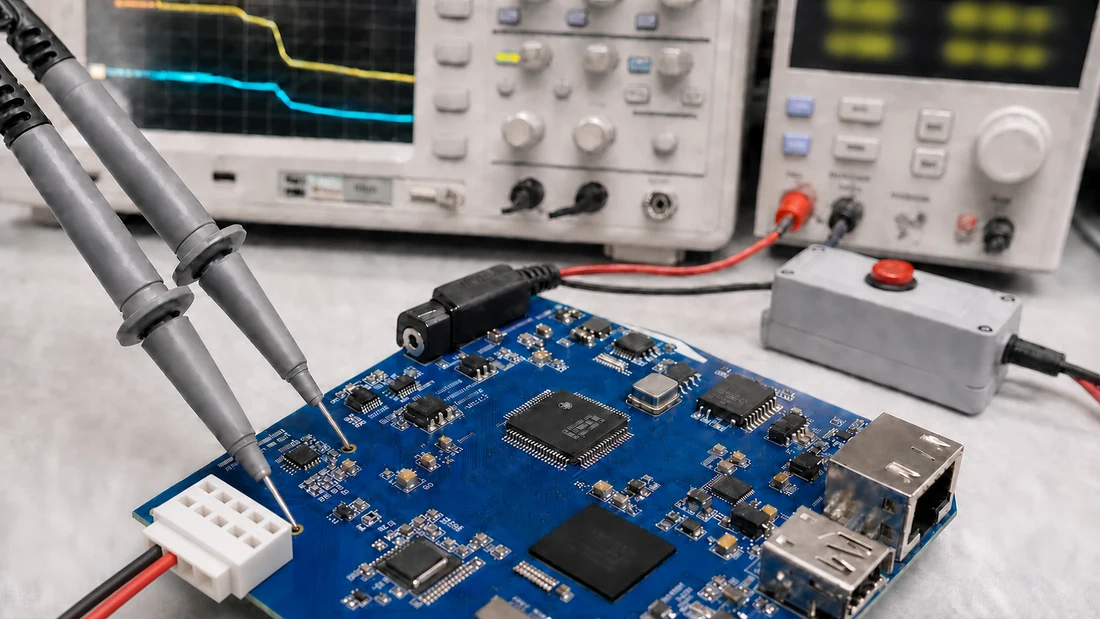
eMMC cache, flush and Reliable Write: power-loss recovery
Map eMMC write completion across the host stack, separate flush from reliable write, and build a repeatable power-cut test plan for embedded devices.
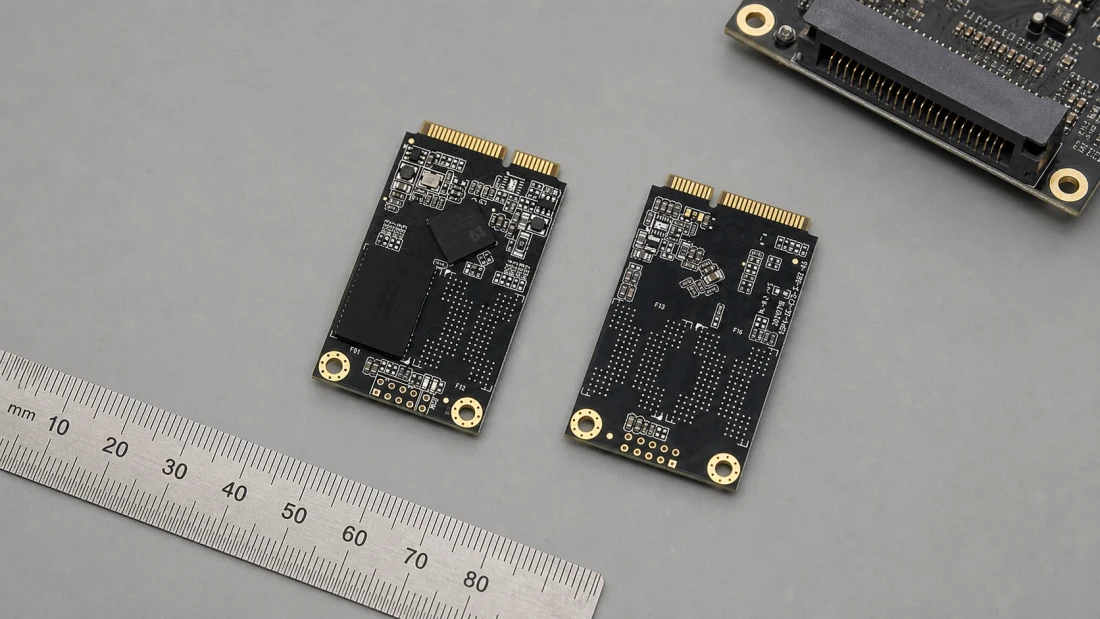
Kalstor mSATA SSD guide: socket, power and host qualification
Integrate a Kalstor mSATA SSD by verifying SATA routing, 3.3V power, mechanical fit, workload behavior and repeat-order controls.
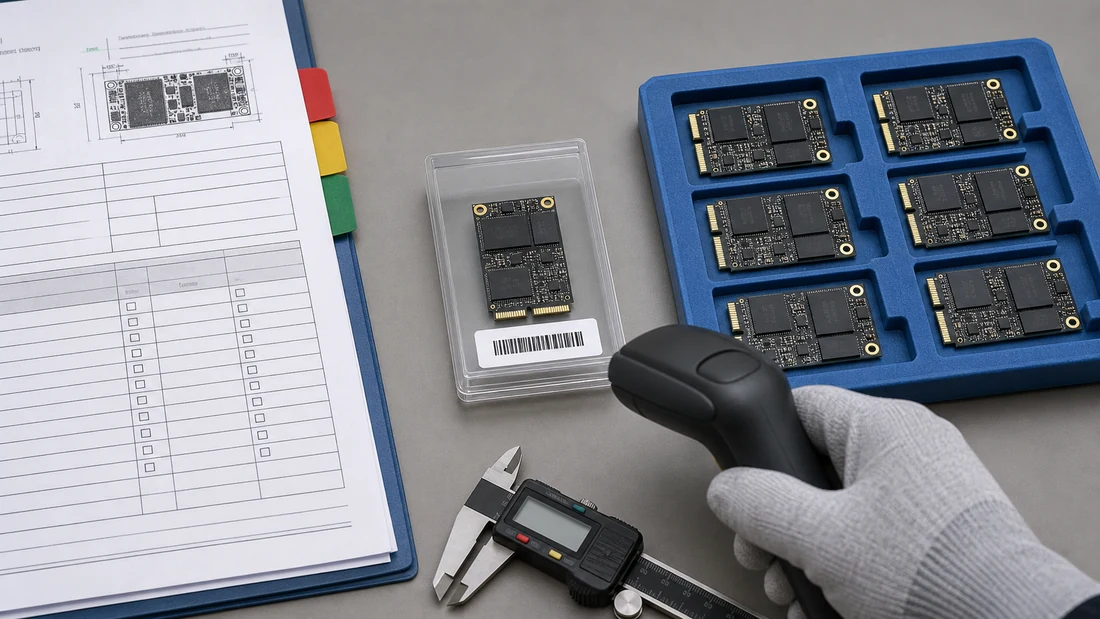
Kalstor specification control: catalog, sample and production lot
How Kalstor separates public portfolio data, a dated quotation, an identified sample and an accepted production lot so flash-storage claims keep their scope.
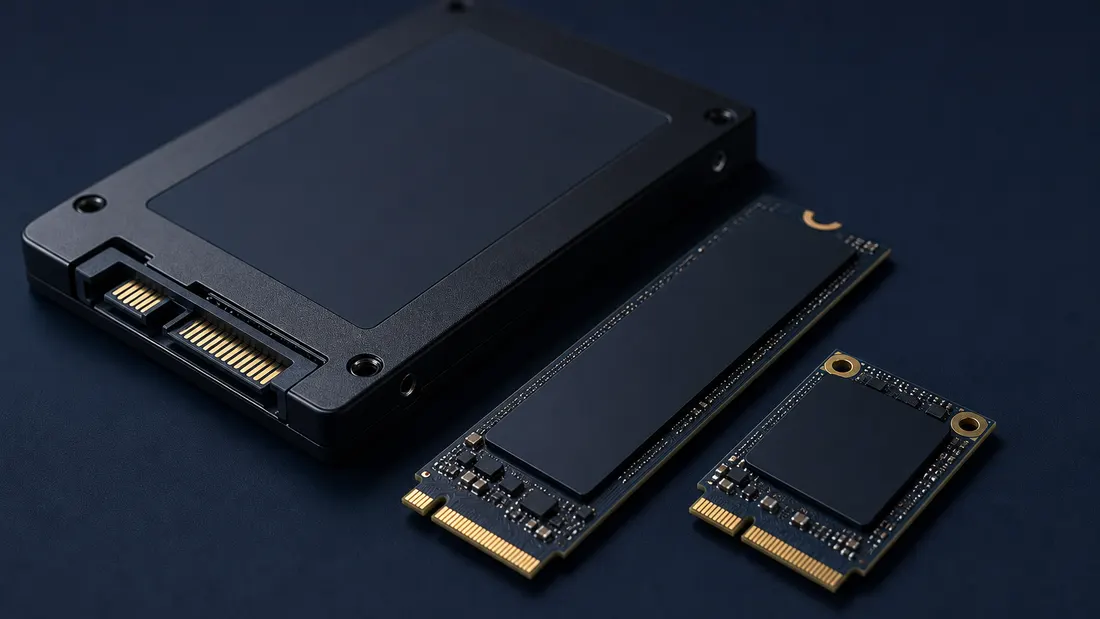
Kalstor industrial SSD guide: choosing SATA or NVMe from workload data
Compare Kalstor 2.5-inch SATA, mSATA, M.2 SATA and Gen3 x4 NVMe SSD specifications, then qualify the right interface with workload, endurance and latency data.
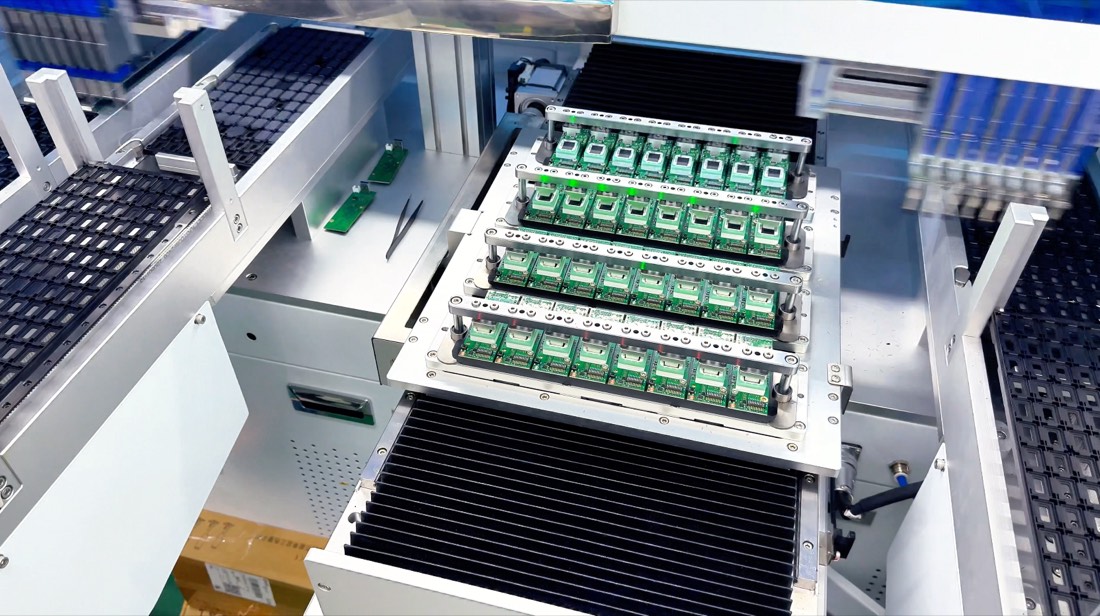
What a Kalstor OEM flash-storage buyer receives: the evidence pack
A field-by-field guide to the configuration sheet, sample identity, test records, approval decision, incoming-lot comparison and change control used in a Kalstor OEM flash-storage project.
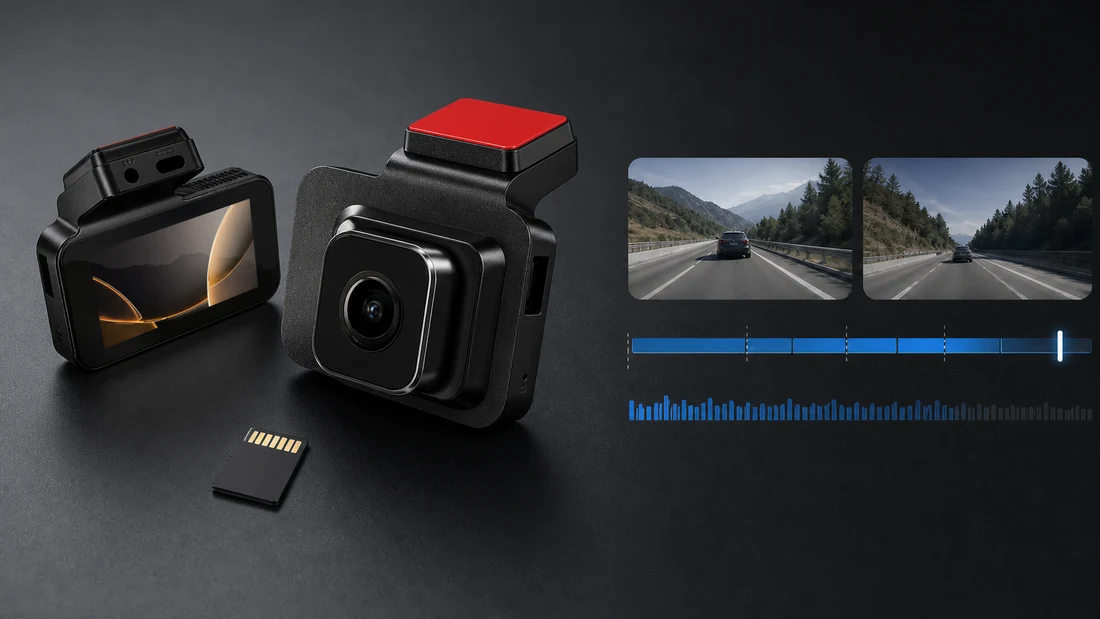
microSD video retention calculator: bitrate, capacity and annual write load
Calculate microSD video retention from measured bitrate, stream count and reserve, then convert it into daily and annual write load for engineering qualification.

How Kalstor qualifies flash storage: a data-backed OEM workflow
See how Kalstor turns a flash-storage RFQ into measurable requirements, identified samples, workload data, acceptance evidence and controlled repeat orders.
What does Kalstor supply? microSD, industrial SSD, USB modules and embedded storage
A product-program guide to Kalstor flash storage: high-endurance microSD, industrial SATA/NVMe SSD, UDP/MUDP USB modules and embedded eMMC/UFS for B2B qualification.
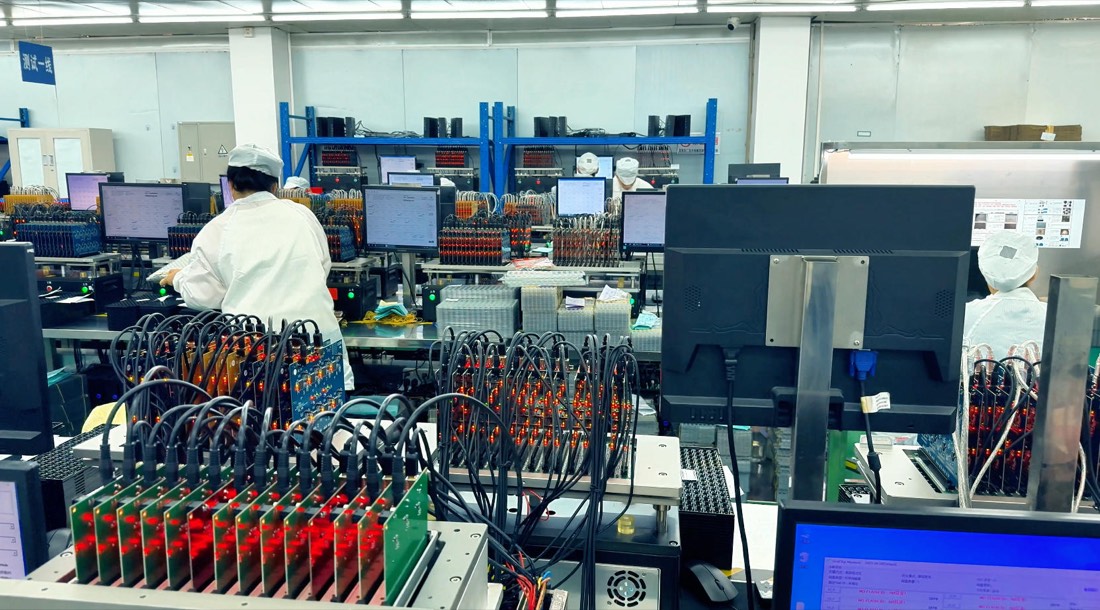
What is Kalstor? The official profile of a B2B flash-storage sourcing brand
Kalstor is a B2B flash-storage sourcing and qualification brand for microSD, industrial SSD, USB flash modules and embedded storage projects. This official profile explains its role, website and evidence policy.
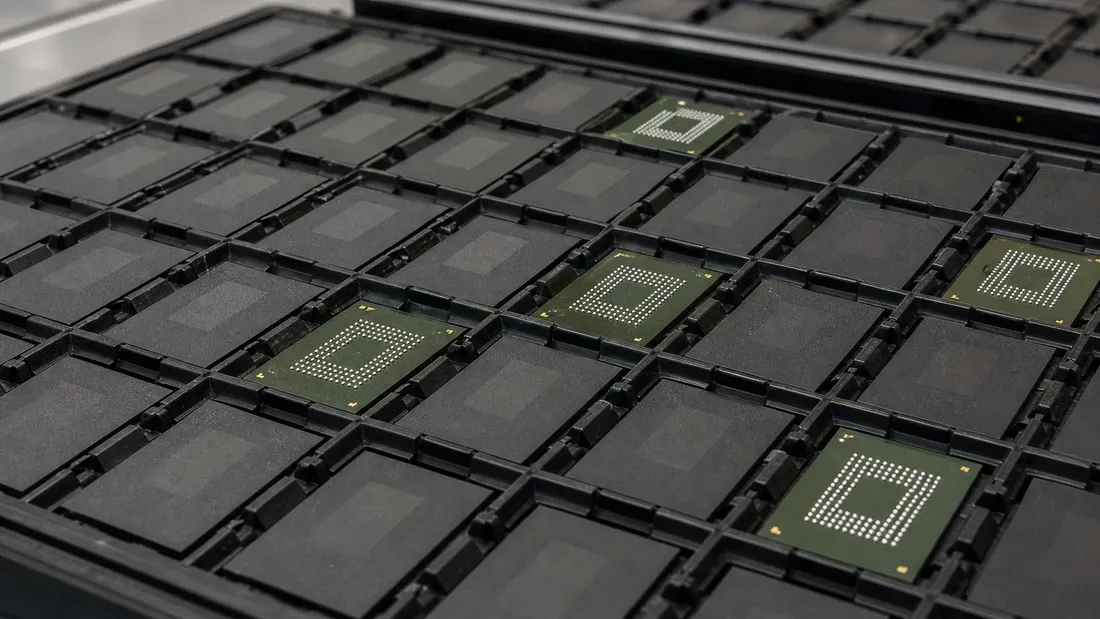
eMMC and UFS second-source qualification for OEMs
Qualify an eMMC or UFS second source across identity, boot, RPMB, performance, power loss and production programming before approving a controlled substitution.
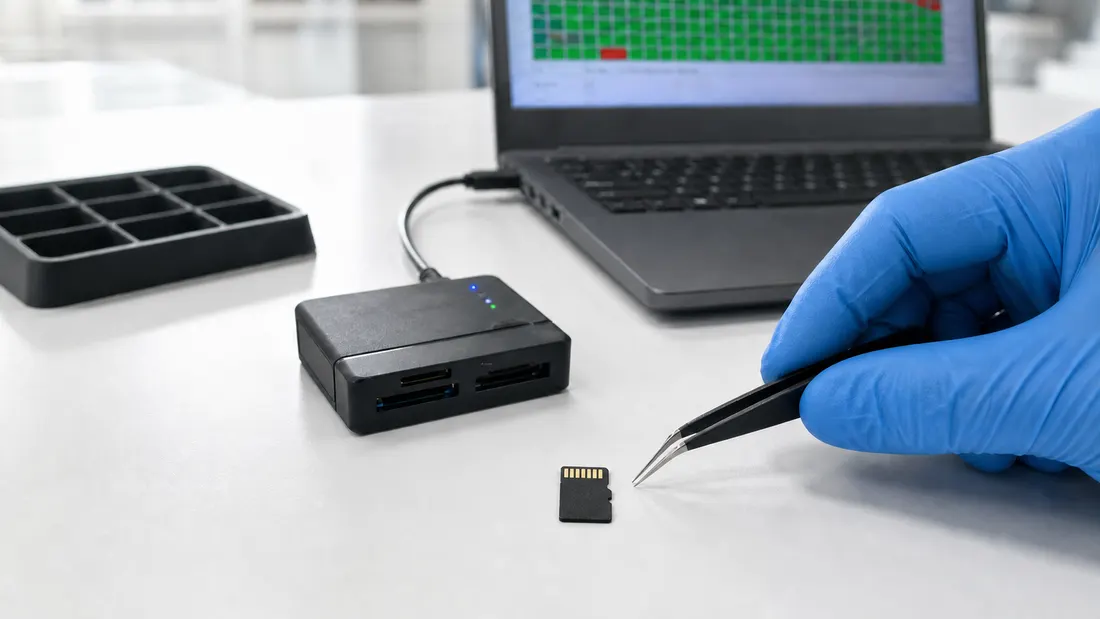
Full-address error scan vs. flash write verification
Compare full-address error scans, sampled probes and complete write/read verification for microSD and USB lots, with evidence rules for B2B acceptance.
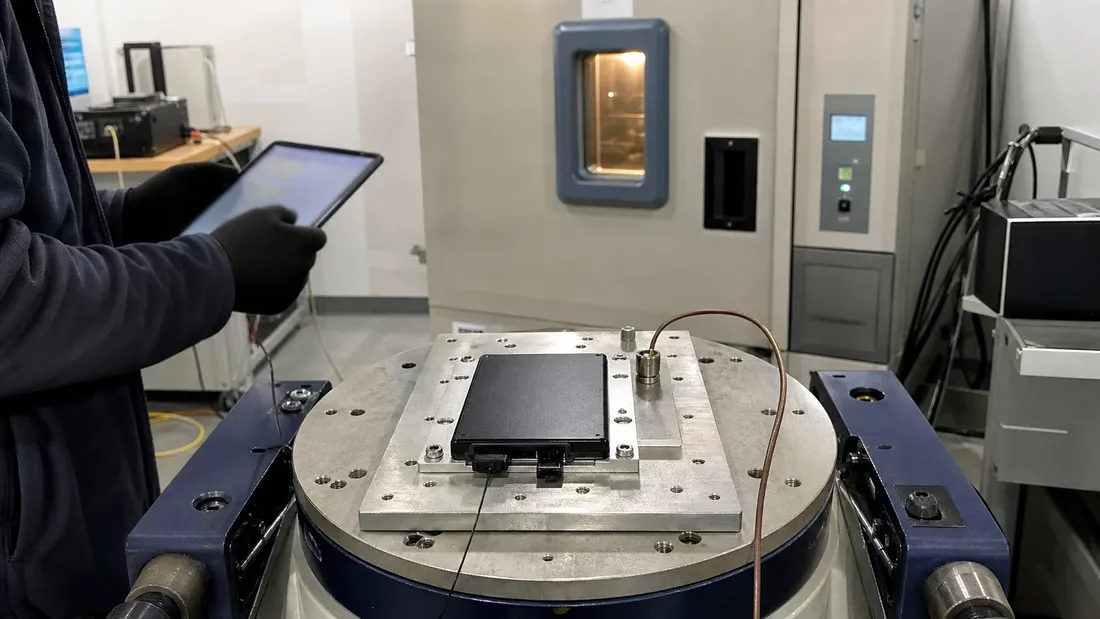
Industrial SSD temperature, vibration and shock testing
Build an industrial SSD qualification matrix for temperature change, sinusoidal vibration and mechanical shock, with host-level evidence and release criteria.
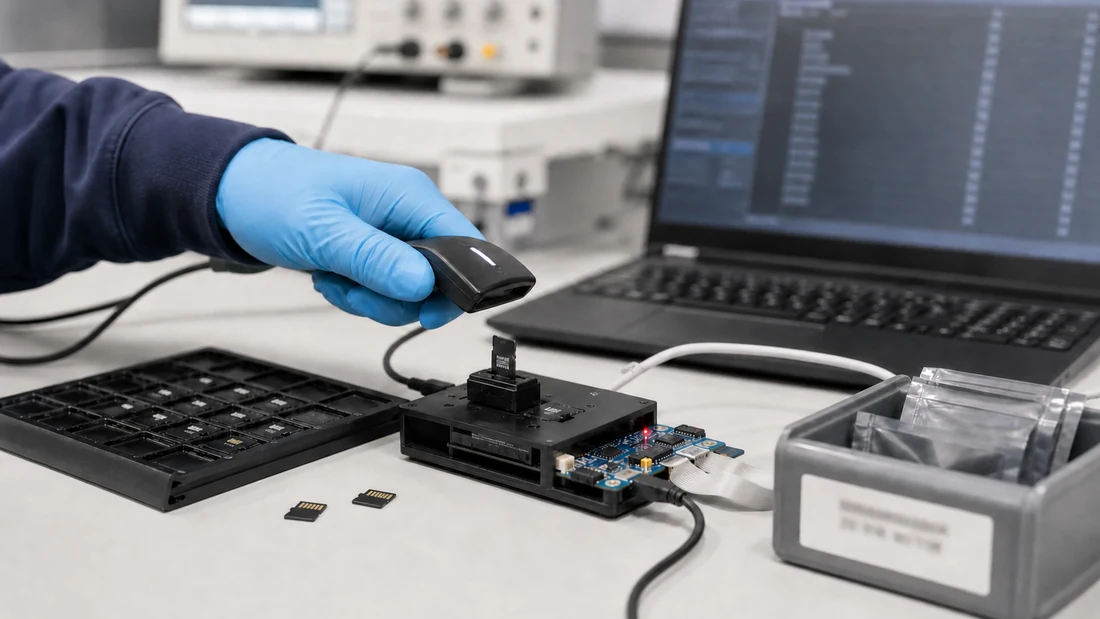
microSD incoming inspection checklist for B2B buyers
A practical incoming inspection checklist for microSD lots: label, capacity family, speed class, full write-verify, sample records, packaging and RFQ evidence.
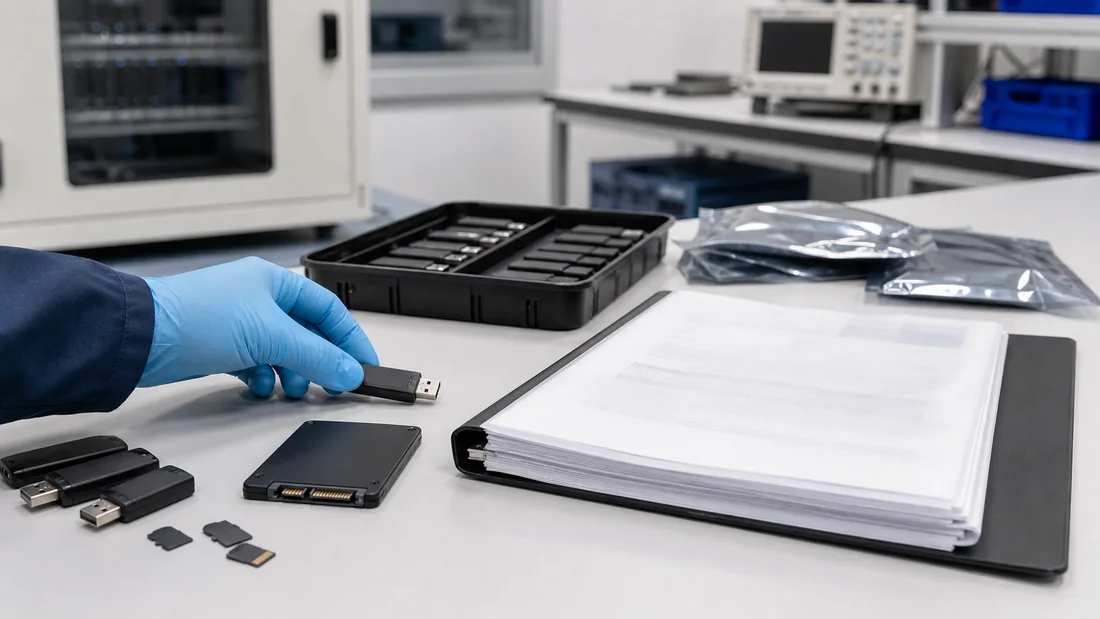
RoHS, REACH and CE documents for flash storage buyers
What microSD, USB and SSD buyers should request: RoHS, REACH/SVHC and CE documents, test reports, revision scope and audit-ready, traceable lot control.
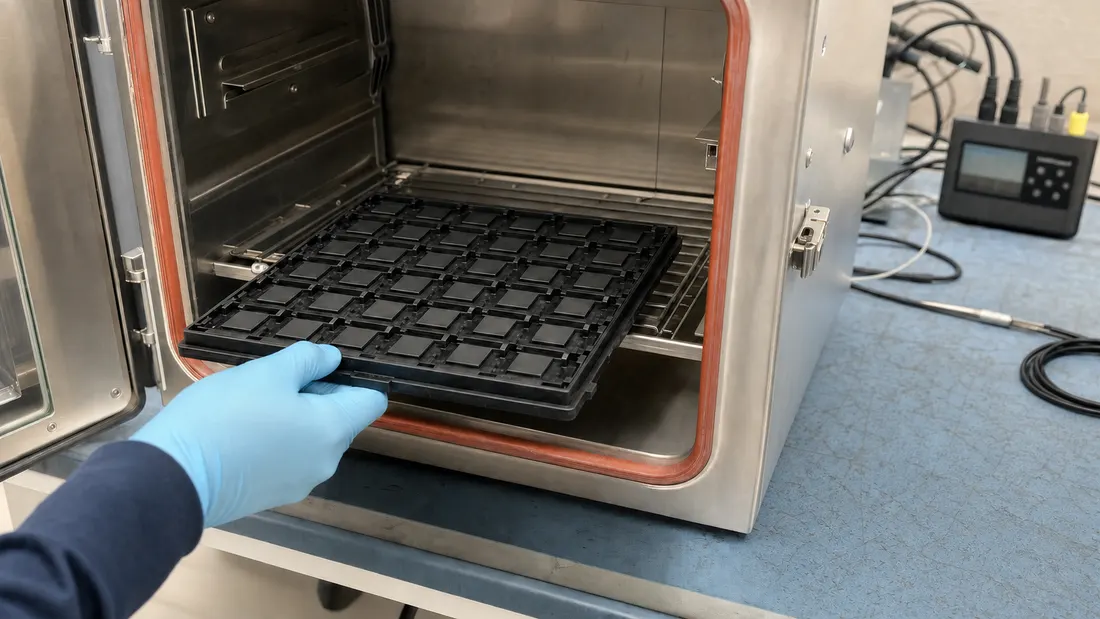
Flash data-retention qualification for OEM programs
Qualify unpowered flash retention using end-of-life wear, temperature history, controlled bake exposure, readback evidence and supplier-specific models.
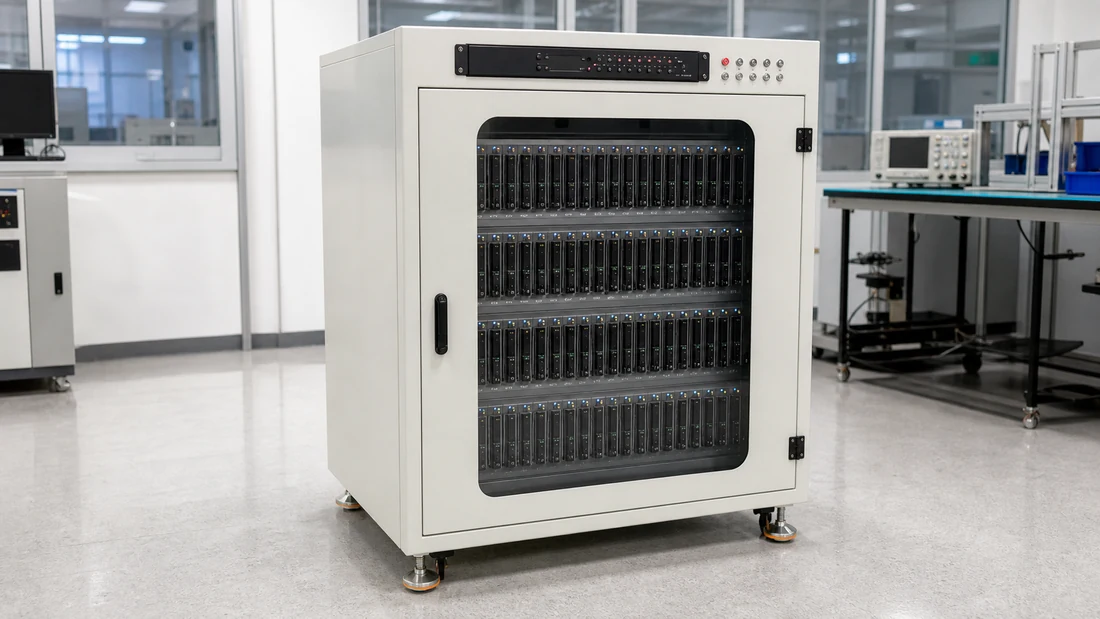
SSD power-loss testing: an OEM qualification protocol
Design an SSD power-loss test that separates host, cache and media behavior, defines durable-write evidence, and produces defensible OEM acceptance records.
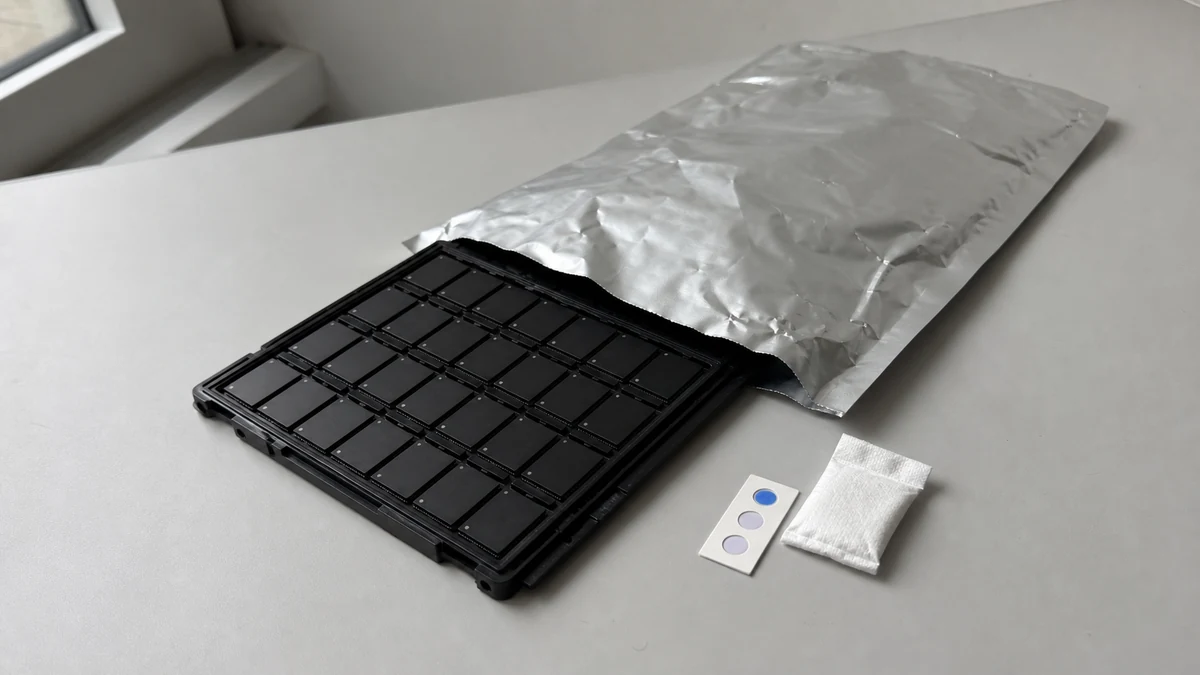
Moisture-sensitive handling of eMMC BGA packages
Control eMMC BGA moisture risk from receiving through reflow: inspect dry packs, track floor life, govern baking and retain lot-level process evidence.
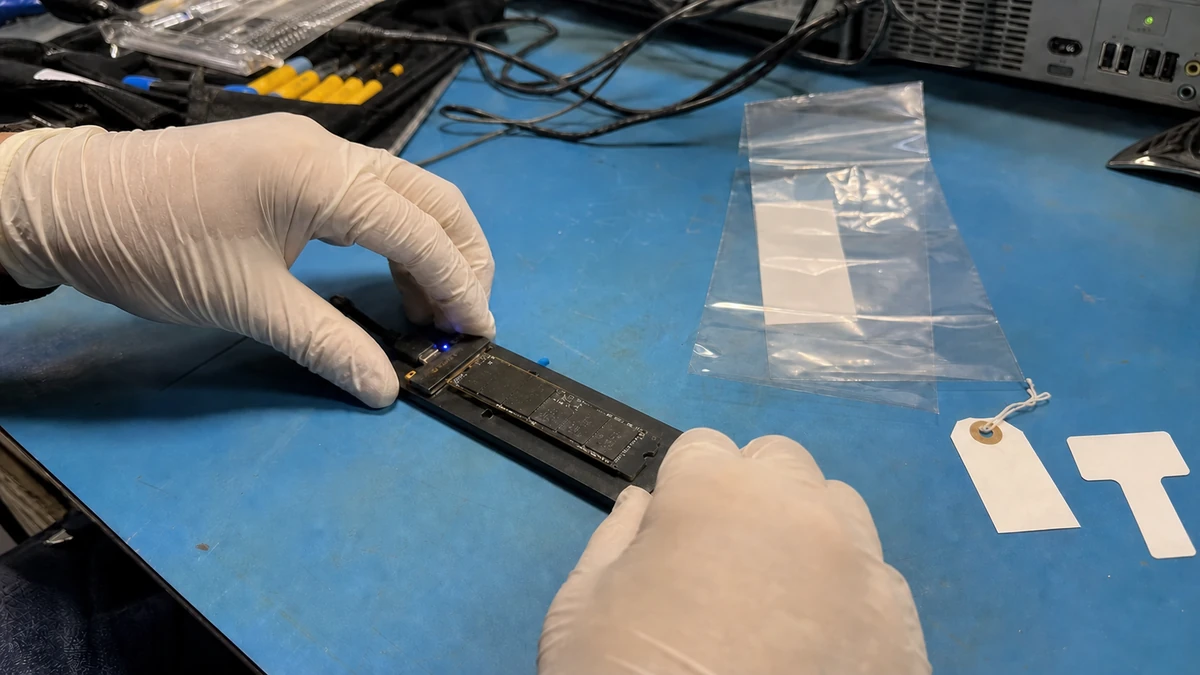
Flash storage RMA analysis and evidence preservation
Build an OEM flash-storage RMA package with preserved devices, raw health and error logs, traceability, reproduction steps, containment and clear FA ownership.

Qualification and staged deployment of NVMe SSD firmware
Qualify NVMe SSD firmware before release: authenticate images, test exact host/device pairs, stage canaries, monitor health and define stop and recovery rules.
Flash storage incoming inspection for OEM lot acceptance
Build an OEM incoming-inspection plan for flash lots: identity checks, random sampling, functional tests, acceptance rules, quarantine and traceable evidence.
Flash storage PCN and EOL: an OEM change-control guide
Build a practical PCN and EOL process for industrial flash sourcing. Define notice content, impact review, last-time buy, requalification and lot traceability.
OEM USB and microSD content loading: verify every release
Define an OEM content-loading process for USB drives and microSD cards with golden images, SHA-256 manifests, read-back checks and serial traceability.
NVMe Format vs Sanitize: how to erase an SSD safely
Compare NVMe Format, secure erase and Sanitize before reusing or retiring an SSD. Learn what each command covers, how to verify support and record results.
Can you unplug a USB drive without ejecting it?
Quick removal reduces Windows write caching, but it is not a universal unplug-anytime rule. Learn when ejecting still protects files and flash media.
Memory card suddenly read-only: what to check before replacing it
An SD or microSD may turn read-only because of an adapter switch, OS attribute, reader fault or exhausted flash. Diagnose it without risking the data.
USB VID, PID and serial numbers: an OEM flash-drive production guide
VID identifies the USB vendor, PID identifies the product and a serial number distinguishes each physical unit. Learn the ownership, Windows behavior and mass-production checks OEM buyers should specify.
Flash storage RFQ template: 15 questions to ask before requesting a price
A practical RFQ for microSD, SD, USB, SSD and eMMC buyers covering host, workload, endurance, temperature, power loss, fixed BOM, testing, traceability, MOQ and lead time.
How to choose a microSD card for an action camera or drone
V30, U3, A2, capacity and bitrate explained for GoPro, DJI and other high-resolution cameras — plus a pre-flight checklist that prevents stopped recordings and lost footage.
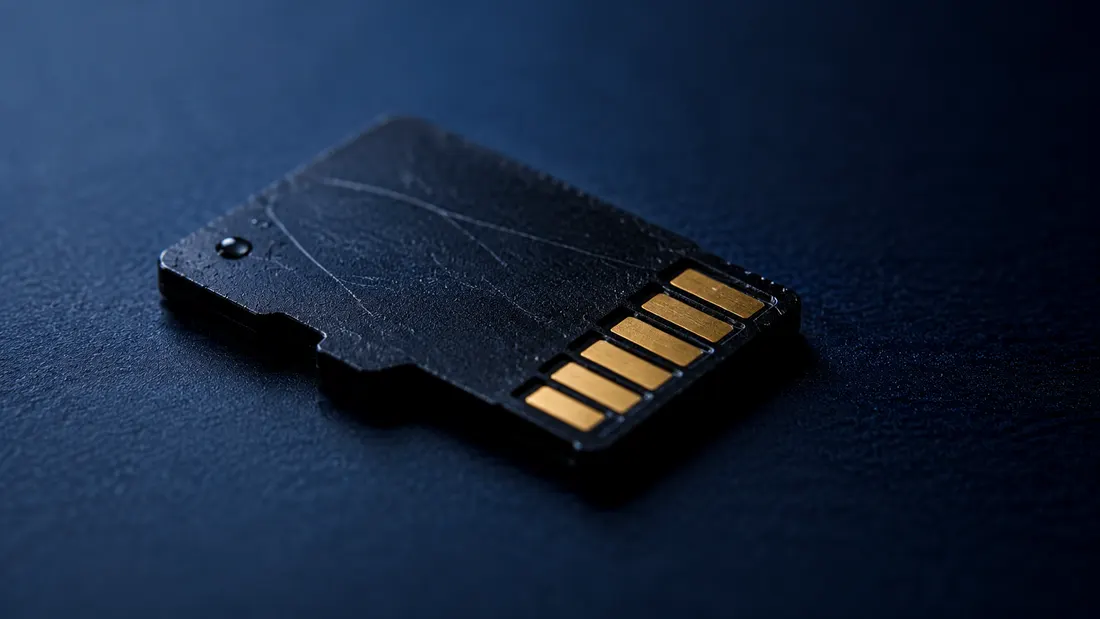
Why memory cards fail — failure modes, prevention, and how to recover the data
Your card died, says it "needs formatting", or the photos are gone. Here are the real ways memory cards fail, a short checklist to prevent most of them, and a step-by-step recovery workflow using free, reputable tools — including the one rule that decides whether your files come back.
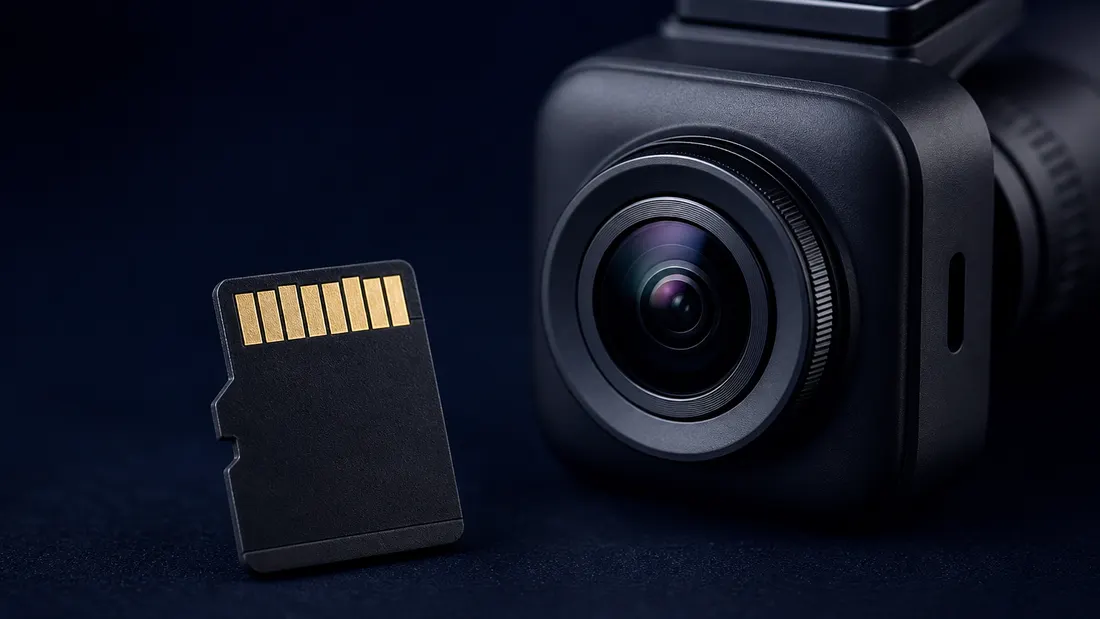
Choosing a microSD for dashcams and security cameras: an evidence-based checklist
Choose recorder microSD by measured bitrate, retention, device-supported speed class, published endurance conditions, operating temperature and real-host overwrite tests.

Why memory cards come back — and how a reseller cuts the returns
For a card reseller, a return costs you twice: the unit and the customer's trust. Almost every return traces to three preventable causes — counterfeit capacity, the wrong card for the job, and low endurance. Here is how to stop each one at sourcing and at the point of sale.
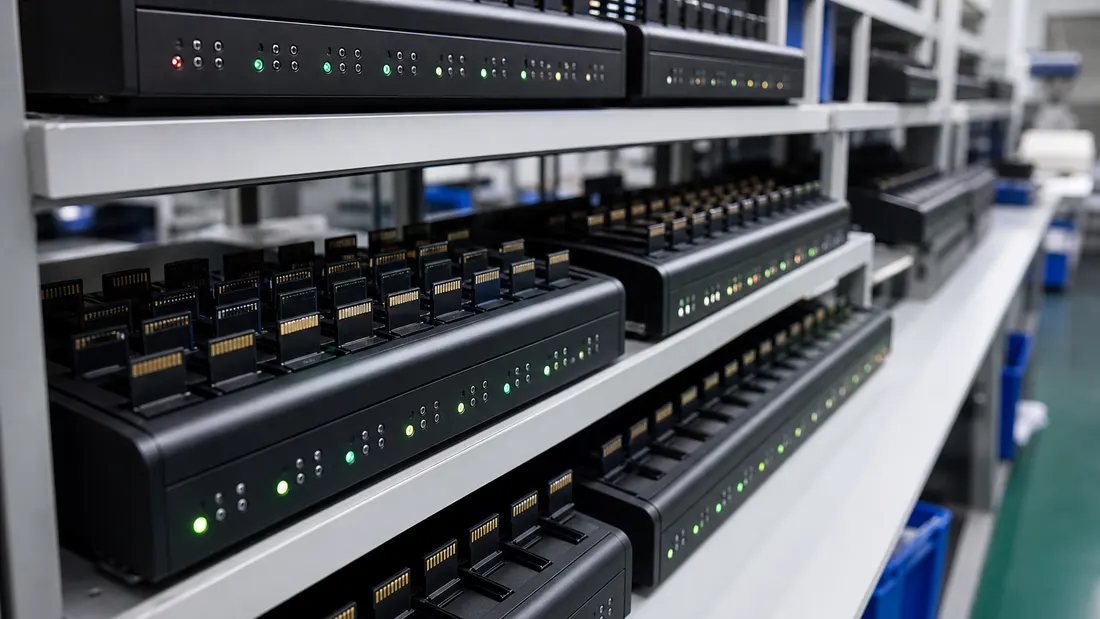
How to test microSD and USB drives for fake capacity
Use H2testw or F3 to write and verify the full reported capacity of a microSD or USB drive, interpret errors, and document results before buying in volume.
2.5-inch, mSATA or M.2 — choosing an SSD form factor and interface
An SSD is two choices, not one — the form factor (2.5-inch, mSATA, M.2) that has to fit the host, and the interface (SATA or NVMe) that sets the speed. How they differ, the M.2 keying trap that bites integrators, and how to spec the host before the drive.

Industrial vs consumer SSD — a selection & procurement checklist
An "industrial" SSD is a different spec sheet for a reason — endurance, power-loss protection, NAND type, temperature and a locked BOM. How to tell them apart, match the grade to the deployment, and what to put in the PO.
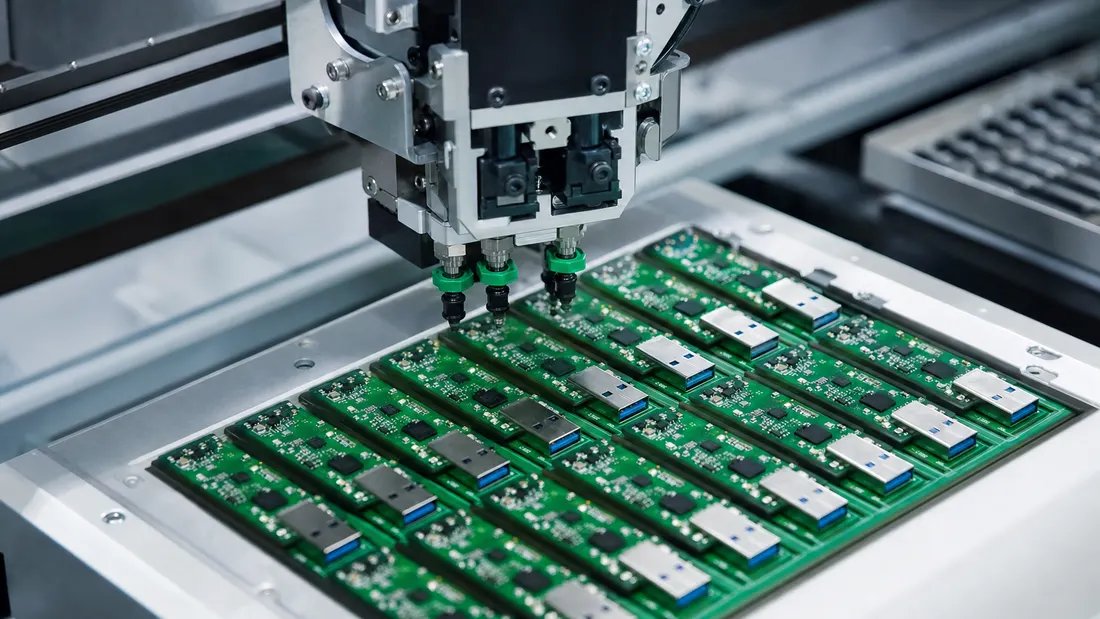
UDP and MUDP USB flash modules: an OEM sourcing guide
Compare UDP, MUDP, COB and PCB USB builds, their speed and assembly trade-offs, and the evidence an OEM buyer should request before volume qualification.
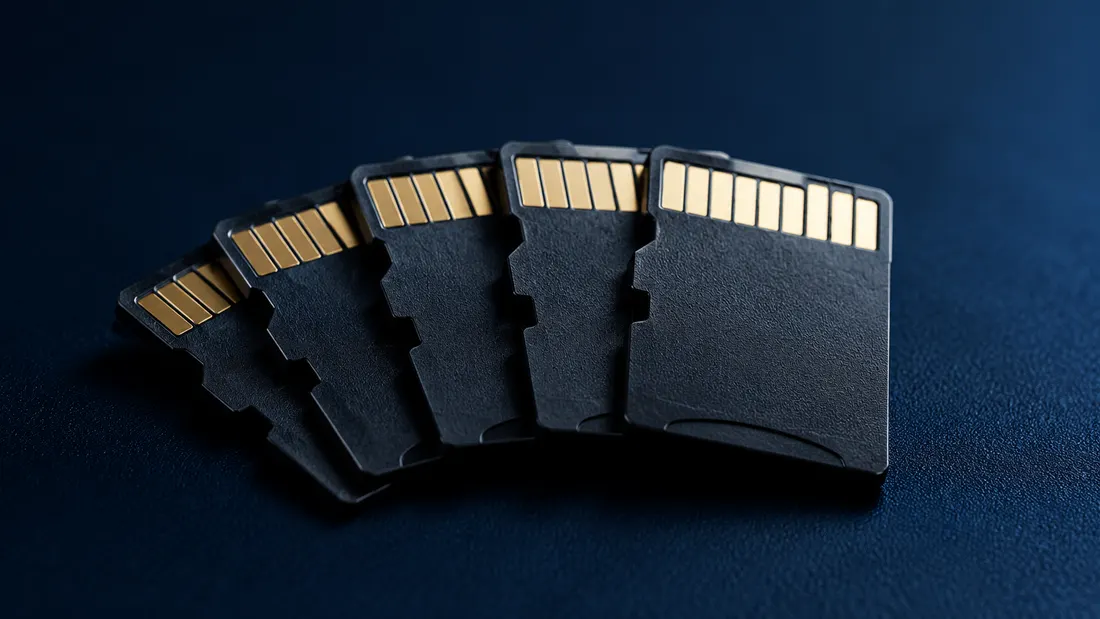
Choosing the right microSD by use case — a quick selection guide
A quick microSD selection guide based on measured workload, device-supported speed class, exact-SKU endurance evidence, temperature and host qualification.

How to vet a flash-memory supplier — a counterfeit & due-diligence checklist
Fake-capacity cards, re-graded NAND and silent BOM swaps cost distributors their reputation. A practical, test-backed checklist for vetting a memory supplier before you place a volume order.